
 Offers & Savings
 No Insurance? Check out
our Savings Plan
No Insurance? Check out
our Savings PlanSleep Apnea Treatment – Federal Way, WA
Improve Your Sleep Quality & Protect Your Health
Are you among the 18 million adults in the United States who are suffering from sleep apnea? If so, you need an effective solution to restore your sleep schedule and protect yourself from health complications! The lack of oxygen caused by this disorder can lead to daytime fatigue, depression, cardiovascular disease, and other very real issues that can negatively impact your quality of life. Fortunately, Dr. Beaty can treat sleep apnea in Federal Way with oral appliance therapy. Contact our office today so you can finally enjoy the benefits of a full night’s rest.
Why Choose Dr. Drew Beaty for Sleep Apnea Treatment?
- Custom-Made Oral Appliances for Optimal Comfort
- CPAP Treatment Available for Severe Cases
- Patient-Focused Care in a Comfortable Office Environment
What is Sleep Apnea?
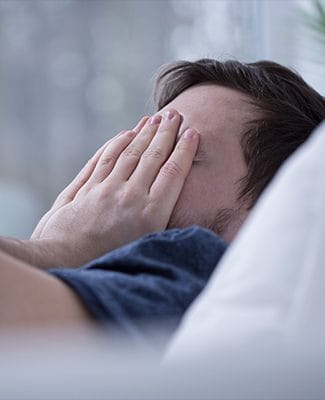
The most common type of sleep apnea, obstructive sleep apnea (or “OSA” for short) is the result of an obstruction in the airway. This can occur when the jaw or teeth are not lined up quite right, or when soft tissues in the oral cavity become overrelaxed. Either way, narrowed air passages make it more difficult for your body to get oxygen while you’re asleep. This causes your brain to pull you out of deep sleep or wake you up entirely, interrupting your body’s natural sleep rhythm and preventing it from regulating many biological functions.
The Dangers of Sleep Apnea

Sleep apnea is frequently associated with snoring. While this can be a nuisance, it’s not the biggest concern.
Interrupted sleep and hormone dysregulation can lead to irritability, depression, anxiety, and other mental health issues. Over time, daytime fatigue can significantly lower your cognitive abilities, increasing your risk of workplace and auto accidents. Your general health can become compromised as well – nightly low oxygen levels place a strain on your heart, increasing your risk of heart attack, stroke, and cardiovascular disease.
More and more research shows just how important sleep is for the mind and body. If you suspect you have sleep apnea, it’s best to get a sleep study and official diagnosis so you can receive prompt treatment. Your condition could be affecting you more than you realize!
Sleep Apnea Treatment Options

Sleep apnea treatment in Federal Way involves keeping the airways open to prevent pauses in breathing. Depending on the severity of your symptoms, we can do this in one of three ways:
Oral appliance therapy involves wearing a low-profile, mouthguard-like device while you sleep at night. Your personalized appliance will be designed to reposition your jaw forward, which will shift oral tissue out of the way so you can breathe easy.
CPAP. This is the most traditional form of sleep apnea treatment. A machine will deliver a steady stream of air through a mask that you’ll wear over your nose and mouth when you’re ready for bed. Since this not only helps to keep the airway open but also maintains proper oxygen flow, CPAP is capable of treating more severe sleep apnea cases.
Combined therapy. In some cases, Dr. Beaty may recommend a combination of the two therapies to manage your condition. This solution most often works best for those with severe sleep apnea symptoms.
Understanding the Cost of Sleep Apnea Treatment

Because each patient is different, it can be hard to quote an accurate price for sleep apnea treatment until you’ve seen Dr. Beaty. There are many factors that go into the type of treatment you’ll need, all of which can influence the price. Thus, for the most accurate total, please schedule a consultation with us today for more information. In the meantime, please feel free to familiarize yourself with how we determine the cost of your care once you’ve been evaluated.
Does Dental Insurance Cover the Cost of Sleep Apnea Treatment?

Typically, dental insurance does not cover sleep apnea treatment. The cost of your evaluation and care is usually covered at least partially by medical insurance, but this will depend on your individual plan and coverage.
Factors That Affect the Cost of Sleep Apnea Treatment
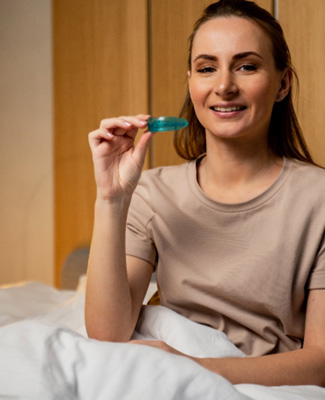
There are several factors that can influence the cost of your sleep apnea treatment; however, these can only be calculated once Dr. Beaty has evaluated you in person.
The two main factors to consider are much your insurance will cover, which is based on whether you’ve submitted all the necessary paperwork, and which type of treatment you’ve chosen. With proper pre-authorization, most medical insurance companies will typically tell you how much they plan to cover for your treatment before you receive your device(s), so you’ll know in advance how much you need to pay out-of-pocket.
Treat Your Sleep Apnea Now to Improve Your Health

Many patients wonder if it’s worth the trouble to undergo a sleep study, visit a sleep doctor, and get an official diagnosis for sleep apnea. The answer is a resounding yes! By not treating sleep apnea, you can easily increase your risk of developing or worsening a variety of dangerous medical conditions including diabetes, high blood pressure, stroke, Alzheimer's disease, and cognitive impairment, just to name a few.
In fact, not only can leaving sleep apnea untreated lead to a decreased quality of life, but it can also lead to more costly medical bills later, making treating the condition more cost effective in the long run.
Making Sleep Apnea Treatment More Affordable

Dr. Beaty understands that treatment for sleep apnea therapy can be expensive to many patients, which is why he is proud to welcome flexible financing plans from CareCredit that can break up the cost of your sleep apnea therapy into multiple, low-to-no-interest monthly payments that may be better suited to your budget. To learn more about these plans, or for more information about sleep apnea treatment, contact our friendly front office for assistance.
Sleep Apnea FAQs
How Do I Know if I Have Sleep Apnea?
Around 80% of sleep apnea cases go undiagnosed. That’s because this issue occurs at night, making it difficult to spot. The only way to know with certainty whether you have sleep apnea is to receive a proper diagnosis through a sleep test. That said, you and your partner should also be aware of the most common warning signs. Here’s what you should look out for:
- Waking up gasping for breath
- Loud snoring
- Morning headaches
- Waking up with a sore or dry throat
- Daytime drowsiness
- Moodiness
- Abnormal lack of focus
Why Visit a Dentist for Sleep Apnea Treatment?
You may be wondering why you should see a dentist for issues with sleep. The answer is actually quite simple! As a qualified and highly experienced dentist, Dr. Beaty has a deep understanding of the connection between your mouth, head, tongue, and airway. This specialized knowledge enables him to create personalized oral appliances that are designed to suit your unique needs and keep your airway clear.
How Can I Give Myself a Better Chance of Good Sleep?
The best way to sleep better with sleep apnea is to get treatment. However, there are also some steps you can take in your day-to-day life to set yourself up for successful nights of rest, such as:
- Exercising regularly. This can help keep your weight down and allows you to feel tired at the end of your day. Plus, it clears your mind, relieving stress and anxiety.
- Simply cutting out some time to relax, reflect, and better your mental health can improve your sleep quality.
- Avoid drinking caffeine after 2:00pm. This will make it easier for you to fall asleep when it’s time.
Who is at Risk of Sleep Apnea?
While anyone can be affected by sleep apnea, you may have a higher risk if you:
- Are overweight
- Are male
- Are over the age of 30
- Have a thick neck circumference
- Have a narrow airway
- Have family history of sleep apnea
- Routinely smoke or heavily drink alcohol
If any of these risk factors sound familiar and you frequently feel tired during the day, then there is a good chance that you have sleep apnea. In some cases, sleep apnea can be treated simply by lowering the risk factors that can be controlled. Other variables, like family history, can typically only be managed with treatment.
Does Everyone Who Snores Have Sleep Apnea?
About 20 million people in the United States have sleep apnea, which makes up about 20% of the nation’s adult population. While snoring is a common symptom of sleep apnea, not everyone who snores has the condition and not everyone with the condition snores. While you may notice signs of sleep apnea such as snoring, teeth grinding, and frequently waking up, the only way to know for sure if you have the condition is to schedule a sleep test with a qualified sleep doctor. Once you receive a positive diagnosis, Dr. Beaty will be able to determine an effective way to address the problem.
How Long Are Apnea Events or Episodes?
Obstructive sleep apnea is characterized by episodes of the soft tissues in the neck weighing heavily upon the airway when they relax during sleep, which will interrupt the patient’s breathing and cause them to wake up suddenly and out of breath. These episodes can last between ten seconds and two minutes and may occur five or more times an hour while the patient sleeps. One to fifteen events an hour is considered mild while thirty or more indicates a severe case. The results of your sleep test will tell our team about how many episodes you experience a night, what kind of sleep apnea you have, and how severe the problem is.
Can My Dentist Diagnose Sleep Apnea?
While Dr. Beaty is trained and equipped to address sleep apnea, he cannot diagnose the problem. The only way to know for sure if you have sleep apnea is to receive a diagnosis from a qualified sleep dentist, but our team can screen you for signs of the condition and refer you to an appropriate specialist if necessary. Once your sleep test reveals the nature and severity of your sleep apnea, we’ll be able to determine an appropriate treatment such as an oral appliance, CPAP therapy, or combined therapy.
Will My Sleep Apnea Go Away if I Lose Weight?
Being overweight is a major risk factor for obstructive sleep apnea since excess tissue can make it easier for the airway to become constricted when the patient rests. Losing weight with proper diet and regular exercise can reduce sleep apnea symptoms or even resolve the condition in some cases, but it may still be necessary to have the issue treated even after slimming down. It may be necessary for you to receive an additional sleep test after losing weight in order to learn if treatment should continue.