
 Offers & Savings
 No Insurance? Check out our Savings Plan
A Patient-Focused Promise for Your Dental Care
Should I Reline My Dentures Myself?
June 17, 2026
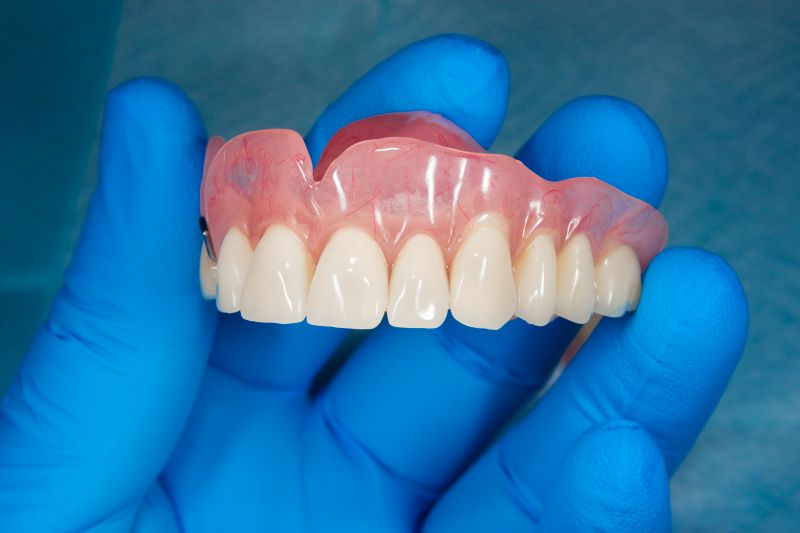
The dawn of the internet has done many incredible things for the world. It helps connect long lost friends and family members, teaches you about places and cultures you might never get to experience in person for yourself, and of course, presents you with a host of instructional videos and websites to complete nearly any type of repair or improvement project on your own. In that spirit, some patients have begun attempting denture restorations themselves using DIY kits and online videos to save time and money. Unfortunately, this often yields disastrous results. Here’s a closer look at what goes wrong, and why you should always leave oral health treatment to the professionals!
What is a Denture Relining?
Denture relines are performed to improve the fit of an older prosthetic by adding new material (usually acrylic) to the inside surface to fill in any area where the gums have changed, making it fit more securely.
There are three main types of denture relining: chairside, permanent, and soft relines. Each is performed to suit the individual needs of the patient as well as the specific problems with the prosthetic itself.
Permanent relines must be sent off to a dental lab to complete, and could take several days to get back, while chairside can be done in your dentist’s office while you wait. Unfortunately, although faster, the materials used in chairside relines typically discolor and flake with repeated use.
A soft reline is ideal for anyone with severe sensitivity or ridge resorption and is designed to quickly cushion the denture, but these repairs can be hard to maintain, and the denture will eventually need to be replaced despite them. Soft relines are typically performed as a temporary fix while the patient’s gums heal after an extended period of improper fitting so they can be replaced as soon as the mouth is healthy again.
Should I Reline My Dentures Myself?
While in theory, relining your dentures yourself should save you both time and money, the truth is that this is rarely what ends up happening. First and foremost, it is not always easy for an untrained professional to determine if a reline truly is the right solution to their denture discomfort, so even a perfectly performed procedure may not fix the actual problem.
Furthermore, to perform a denture reline, you’ll need to be able to see what you’re doing, which can be difficult to do if you aren’t trained. In fact, if you don’t position the denture properly when you add the reline material, you can actually worsen the fit instead of improving it!
The Many Dangers of DIY Denture Relining
In addition to ruining the denture itself, DIY relining can cause a variety of problems that can be extremely painful and costly to fix, including:
- Rough edges can develop due to spilled materials and the inability to professionally polish your prosthetic after relining, which can injure the mouth.
- You may be unable to close your mouth with the denture in, or bite properly. Once this occurs, your denture cannot be repaired and will need to be completely replaced.
- DIY kits weren’t meant to create permanent repairs like laboratory relines do. Thus, you will either need to reline them again relatively soon, or you’ll need to replace your prosthetics entirely.
The Importance of Professional Denture Care
Now that you know the dangers of DIY denture relining, it’s easy to see why professional care is so important. Your dentist is well qualified to help assess the fit and function of your prosthetics, including determining what type of repairs are necessary to ensure they are comfortable and secure.
Even if you have no remaining natural teeth, the American Dental Association recommends visiting your dentist every six months for your regular checkups and cleanings. If you wear dentures, this is your opportunity to have them examined, cleaned, and adjusted if necessary. This will ensure that not only your mouth and prosthetics are in good condition, but that you can repair them quickly and efficiently before they cause injury or require a complete replacement.
About Dr. Beaty
Dr. Drew Beaty earned his undergraduate degree at Tulane University and his dental degree at Northwestern University. Since graduating, he has completed all nine levels of postgraduate education at the world-renown Kois Center for Dental Excellence in Seattle and currently takes over 100 hours of continuing education annually – a staggering four times more than the required minimum for the state! If your dentures aren’t looking or feeling as good as they should be, don’t try to go it alone with a risky DIY treatment. Trust the expertise of Dr. Beaty and schedule an appointment for dentures by visiting our website or calling 253-839-6544.
No Comments
No comments yet.
RSS feed for comments on this post.
Sorry, the comment form is closed at this time.